MIG Welding
Need MIG welding services in Toronto or surrounding GTA?
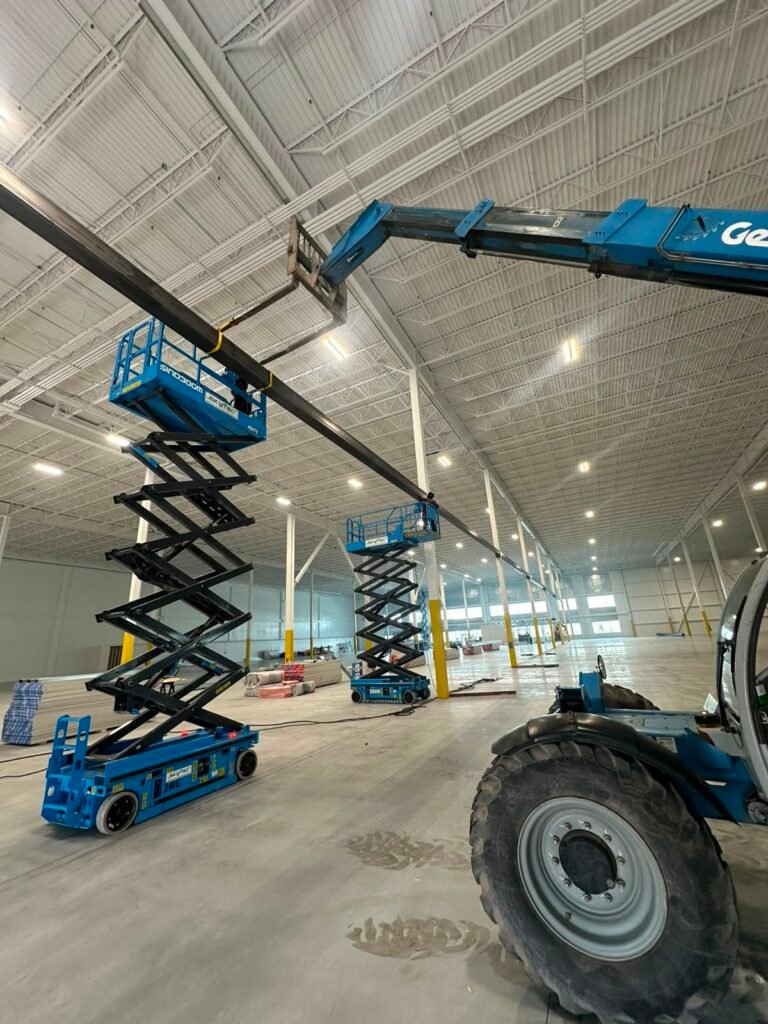
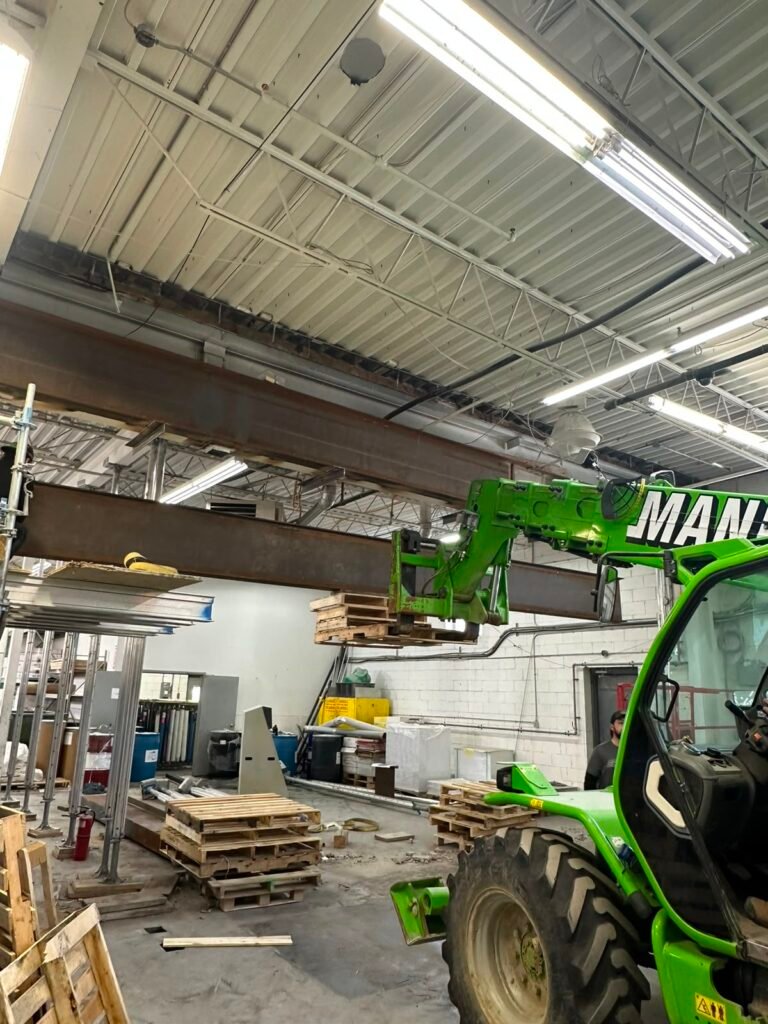
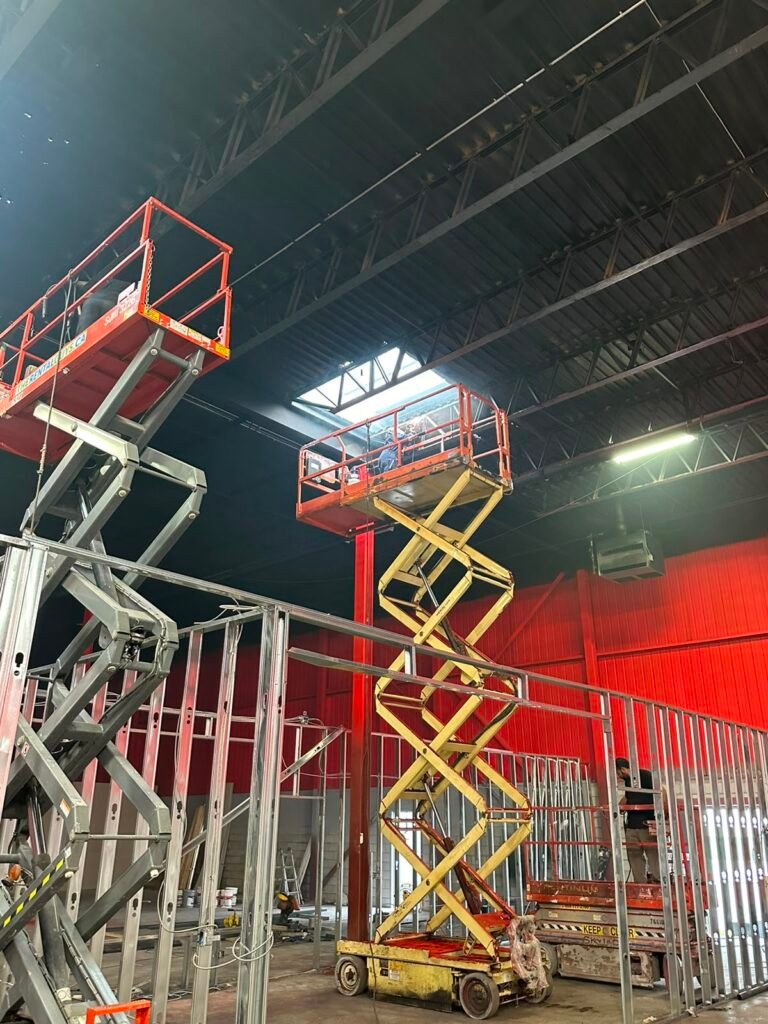
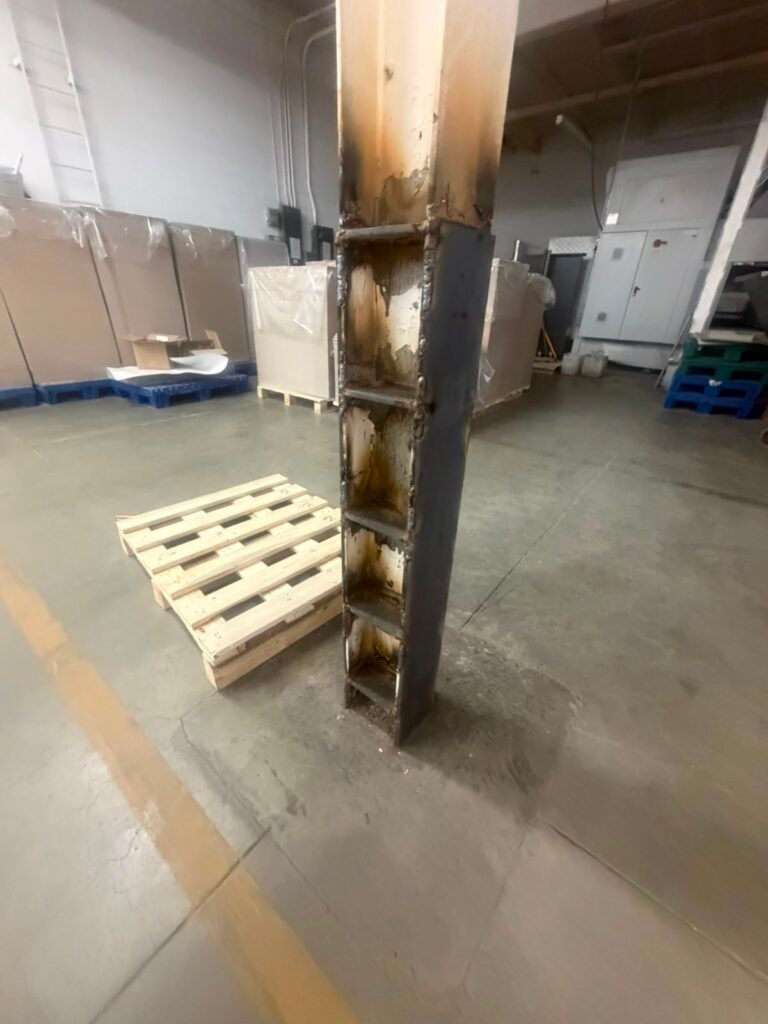
Get top-notch MIG welding services near me anywhere in GTA for residential, and industrial jobs. Call Avatar’s expert MIG welders near me for welding with precision. Our expert CWB-certified welder specializes in delivering high-quality MIG welding for both residential, commercial, and industrial projects. With advanced technology and skilled welders, we ensure precise, strong, and clean welds for various applications. Whether you need structural welding, custom metal fabrication, or repairs, our mobile welding services are designed to meet your specific needs with efficiency and reliability. Trust us to provide top-notch MIG welding solutions that stand the test of time.
What is MIG Welding?
Say goodbye to the inconvenience and With metal inert gas (MIG) welding, metals are heated and fused beneath a shielding inert gas by passing a high voltage through a consumable metal wire electrode. Because it is an efficient, quick, and straightforward method for consistently producing metal parts, it is significant to a variety of sectors.
In MIG welding, a metal wire is fed through a gun to melt and form a permanent junction. The wire serves as the weld’s feed material as well as its electrode. By sheltering the molten metal from oxygen and other impurities using an inert gas, this procedure is accomplished. MIG welding works well with thin metals, doesn’t require post-processing, and is simple to learn.
What are the Benefits of MIG Welding Services in GTA?
MIG welding, which is available from MIG welders, is the preferred method for many welding tasks because of its many benefits:
Adaptability:
MIG welding is a highly versatile welding process that may be applied to a variety of materials, including steel, stainless steel, cast iron, magnesium, and aluminum. It can be performed either partially or completely autonomously.
Easy and Fantastic Welds:
MIG improves the visibility of the weld pool. When you combine this with the auto-feed wire’s enhanced control and the process’s simplicity, MIG makes it easy to create a beautiful weld.
Clear and Effective:
Very minimal alloying element loss occurs during the metal’s transmission across the arc because MIG uses a shielding gas to protect the arc. Unlike stick welding, where there is usually slag to remove, there is little to no weld spatter. Because it requires very little cleanup, MIG welders can return to work in a fraction of the time after a quick cleanup.
Easy for Beginners:
The MIG torch is one of the first welding techniques that newbies learn because of its low learning curve, automatic functions, and ease of use. These components allow them to focus on learning to weld by relieving them of the burden of handling the intricacies of welding equipment.
Welding in-line:
When longer welds with more strength and aesthetic appeal are needed, MIG welding near me is the fastest and most reliable method. You can deposit more welding material faster than with any other process because of continuous wire feeding. Need “MIG Welding Near Me?” Call Paul Mobile Welding Service at +1 (647) 646-2676 for a quick quote.
Frequently Asked Questions:
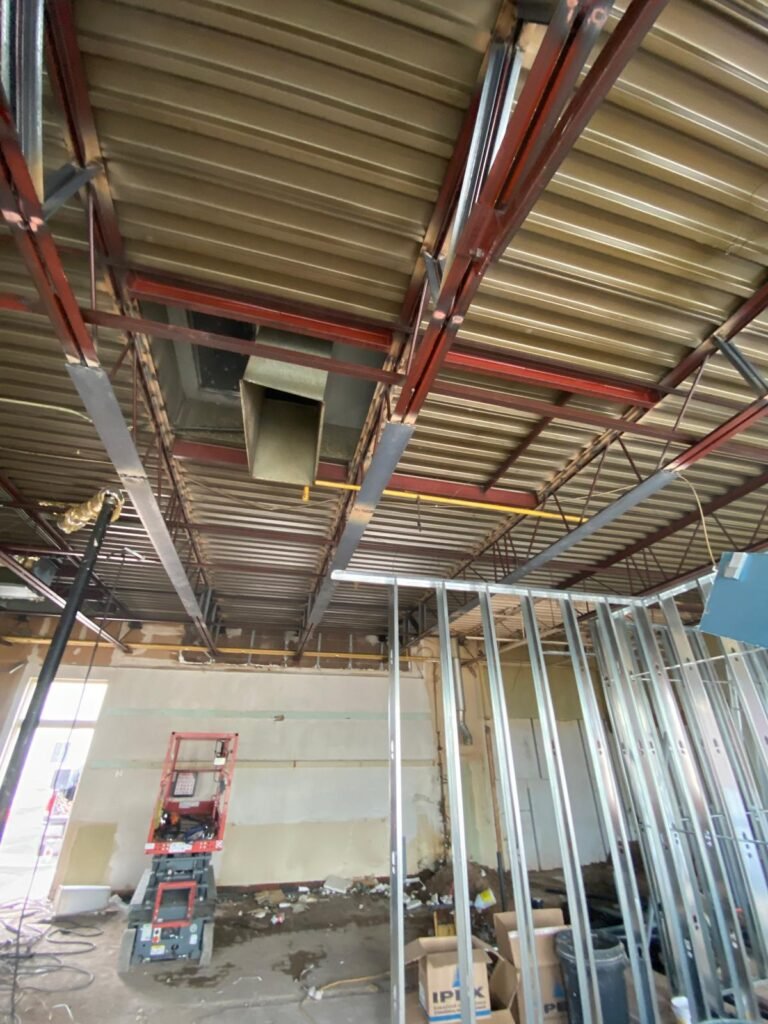
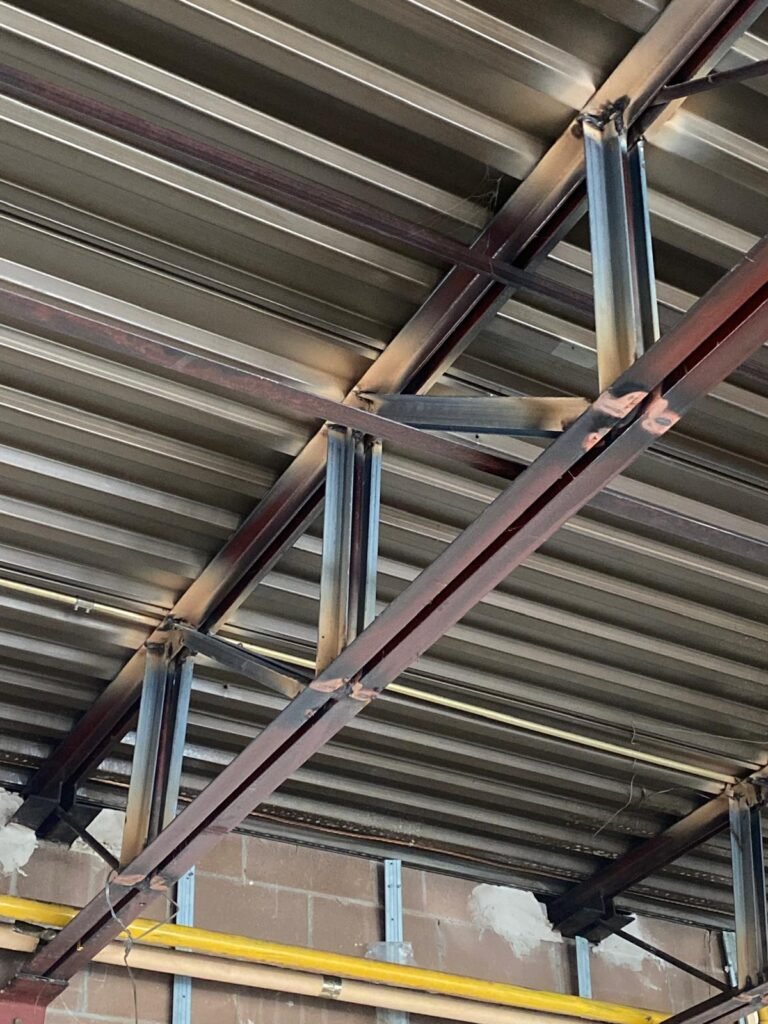
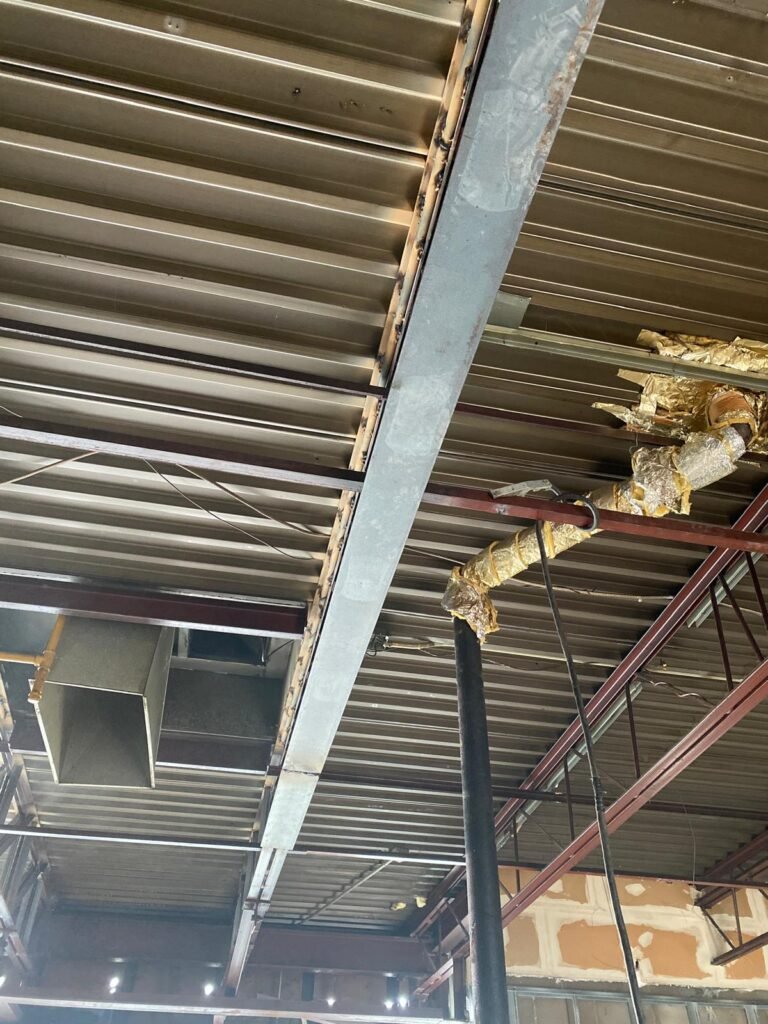
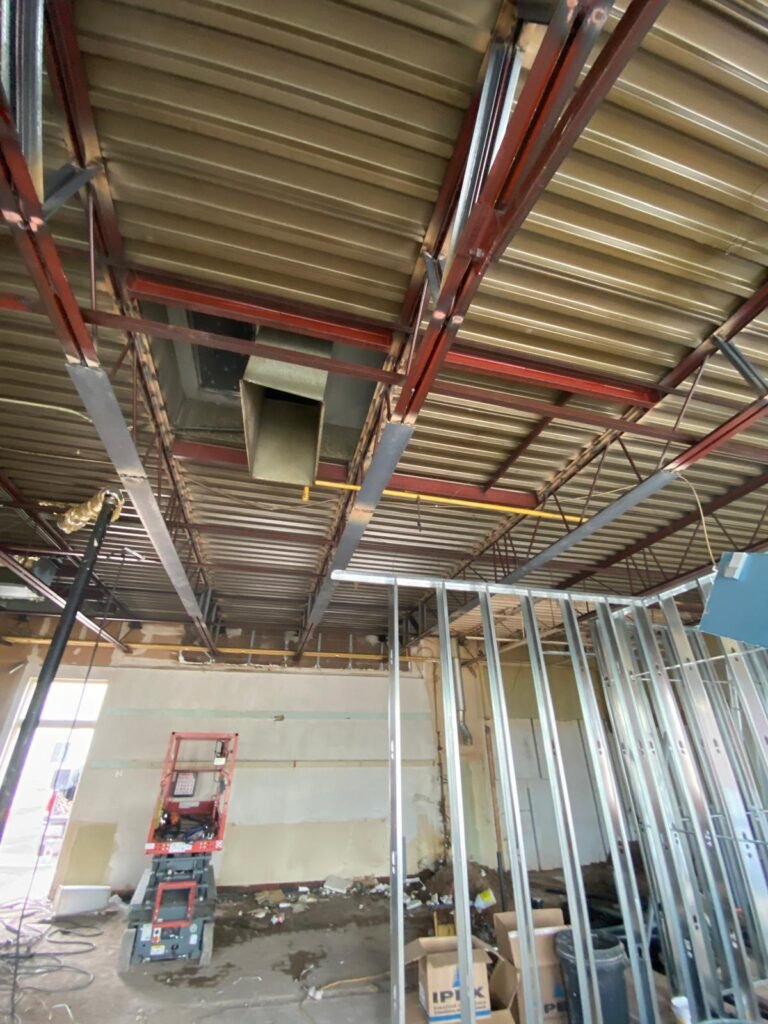
What is Open Web Steel Joist (OWSJ) reinforcement?
OWSJ reinforcement involves welding additional steel members, plates, or stiffeners to existing joists to increase load capacity, correct structural deficiencies, or meet updated engineering requirements.
When does an OWSJ need reinforcement?
Reinforcement is typically required when adding rooftop HVAC units, solar panels, mezzanines, conveyor systems, or other equipment that increases structural load. It may also be needed if inspections reveal joist damage, corrosion, deflection, or fatigue.
Can reinforcement be completed without shutting down operations?
In many cases, yes. Experienced industrial welding teams can perform reinforcement work in active facilities using phased scheduling, lift planning, and safety controls to minimize downtime and disruption.
Is engineering approval required before reinforcing steel joists?
Yes. A structural engineer should assess the existing joists and provide stamped reinforcement drawings. This ensures compliance with building codes, load calculations, and safety standards.
What reinforcement methods are commonly used?
Common methods include adding angle iron or channel stiffeners, welding reinforcement plates to chord members, installing web member bracing, or upgrading connections to improve load distribution. Laern more about OWSJ vs I-beams in structures.